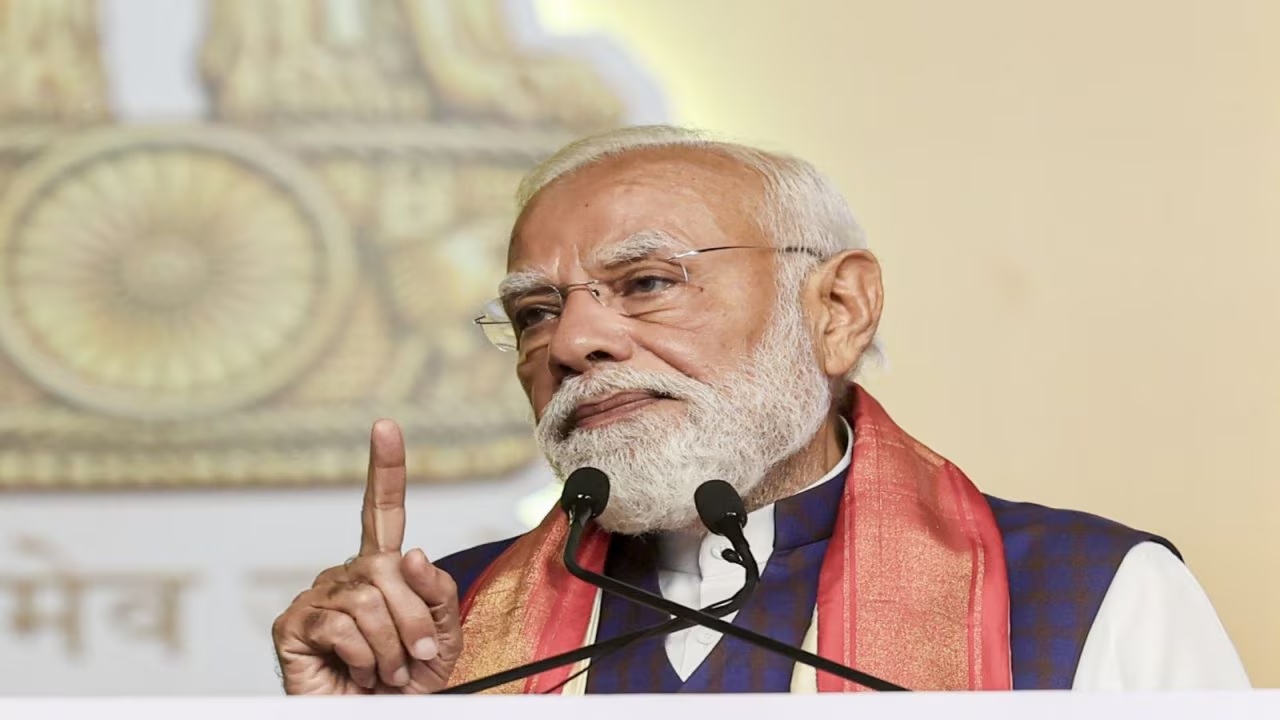
Prime Minister Narendra Modi has urged citizens to adopt fuel-saving measures, avoid non-essential foreign travel, and reduce unnecessary imports as India navigates the economic impact of the ongoing West Asia crisis and rising global energy prices. Addressing a public gathering at Parade Grounds in Secunderabad, Hyderabad, the Prime Minister called for collective national responsibility to help safeguard India’s economy, foreign exchange reserves, and supply chains during the current geopolitical instability.
Highlighting the pressure created by rising crude oil prices and disruptions around critical maritime trade routes such as the Strait of Hormuz, PM Modi appealed to citizens to reduce petrol and diesel consumption by prioritising metro rail networks, public transportation, and carpooling wherever possible. He also encouraged greater use of electric vehicles and railway logistics to reduce dependence on imported fuel.
The Prime Minister additionally called for the revival of Covid-era work practices, including work-from-home systems, online conferences, virtual meetings, and digital collaboration tools to minimise travel-related fuel consumption. According to him, these measures could significantly reduce economic strain while maintaining productivity across sectors.
A major focus of the address was conserving foreign exchange reserves. PM Modi urged citizens to postpone overseas vacations, destination weddings, and non-essential foreign travel for at least one year. He also advised against discretionary gold purchases, stressing the importance of reducing import-driven expenditure during the global crisis. Simultaneously, he encouraged consumers to support “Made in India” and locally manufactured products.
The Prime Minister also appealed to households to reduce edible oil consumption and urged farmers to adopt natural farming practices, reduce chemical fertiliser usage, and shift towards solar-powered irrigation systems to lower import dependence and strengthen sustainability.
The appeal reflects growing government concerns over escalating geopolitical tensions in West Asia, global supply chain disruptions, and the economic challenges posed by volatile fuel markets, with India increasingly focusing on conservation, self-reliance, and domestic economic resilience.