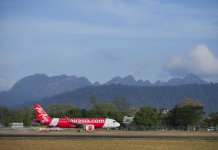
India’s tourism industry has witnessed a remarkable year-end boom, signaling an impressive rise in visitor arrivals and highlighting the country’s growing appeal as a travel destination. One of the primary drivers of this surge has been the improvement in connectivity- particularly the launch of a new railway link- that has made travel easier, more affordable, and widely accessible for domestic and international travelers. This improved infrastructure has played a pivotal role in drawing larger numbers of visitors, reinforcing the impact of transport networks on tourism growth.
The surge is especially evident during the festive season, when visitor numbers rose significantly, resulting in high occupancy levels across hotels and homestays throughout the state. Many properties have been fully booked since November, reflecting the strong demand generated by improved travel accessibility. As accommodation providers adapt to this increased influx, the benefits are seen across the hospitality sector, from local businesses to larger tourism stakeholders.
While the momentum is strong, the sector still faces challenges in sustaining this rapid expansion. The reintroduction of the Protected Area Permit (PAP) for certain regions has raised concerns among tourism professionals, particularly regarding its impact on international arrivals. For global travelers, these restrictions complicate trip planning and limit access to some major attractions. Industry stakeholders believe easing or revising these permissions could help capitalize on rising global interest in India as a destination.
Even with these hurdles, optimism remains high. The robust growth in domestic tourism illustrates the sector’s resilience and potential for year-round activity. Continued investment in infrastructure- exemplified by the new railway connection- underscores the government’s commitment to strengthening tourism and ensuring sustainable expansion. As connectivity improves and policies evolve, both domestic and international visitor flows are expected to grow further, paving the way for a thriving tourism future built on accessibility, cultural richness, and strategic planning.