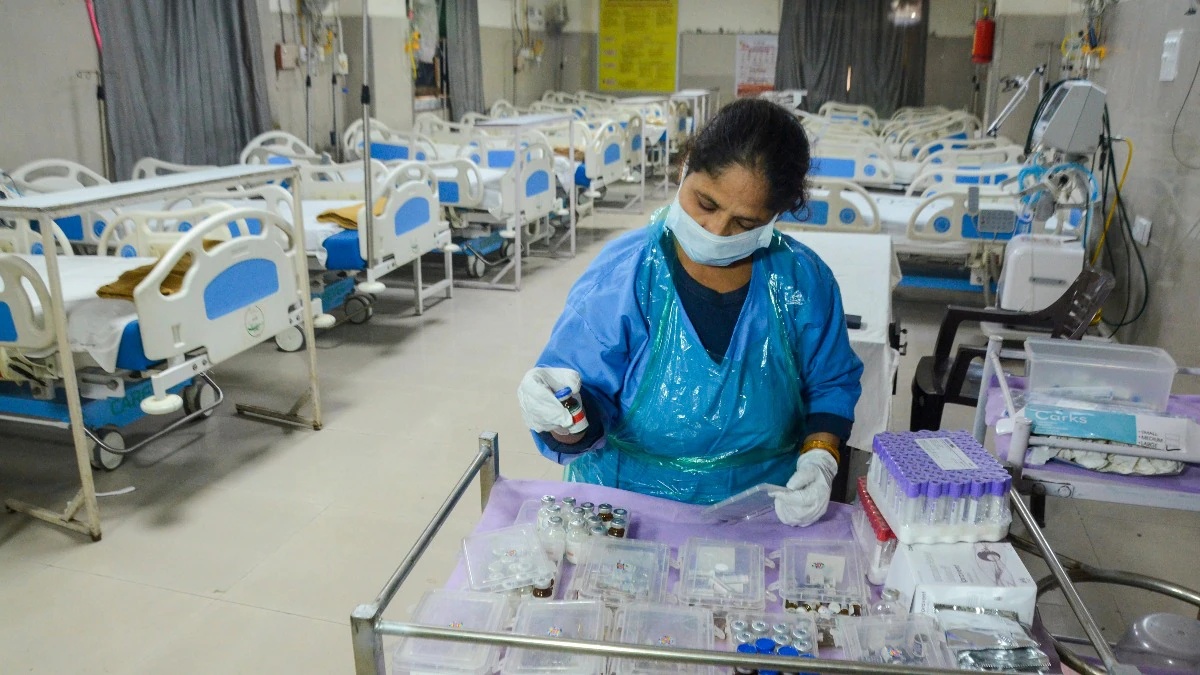
India’s nearly $9 billion medical tourism industry is witnessing mounting pressure as rising tensions in West Asia continue to disrupt international patient travel and weaken overseas arrivals. The crisis has particularly affected patients from Gulf and neighbouring countries, which remain among the largest source markets for Indian hospitals and healthcare providers.
Medical travellers from countries including Iraq, Oman, Yemen, Saudi Arabia and the UAE have traditionally chosen India for affordable and advanced treatments such as cancer care, organ transplants, fertility procedures, heart surgeries and specialised medical services. However, ongoing regional instability, flight disruptions and travel uncertainty have slowed patient movement significantly.
Hospitals across major Indian cities are reportedly receiving enquiries from overseas patients, but actual arrivals remain below earlier levels. Several healthcare providers have witnessed a sharp decline in international footfall, with some reporting a 60% to 70% drop in patient volumes from West Asian markets between March and May 2026 compared to the previous year. One healthcare chain reportedly receives nearly 30% of its international business from the region, highlighting the market’s importance to India’s medical tourism ecosystem.
The slowdown has also raised concerns over delayed treatments for patients requiring urgent care, including chemotherapy, surgeries and follow-up procedures. In addition, hospitals may face rising operational costs due to inflation, currency fluctuations and increased expenses for imported medical equipment and supplies.
Despite current challenges, India continues to remain a leading global medical tourism destination due to its cost-effective healthcare, skilled medical professionals, advanced hospitals and English-speaking healthcare workforce. Industry experts believe recovery will depend heavily on regional stability, improved flight connectivity and renewed patient confidence in international travel.