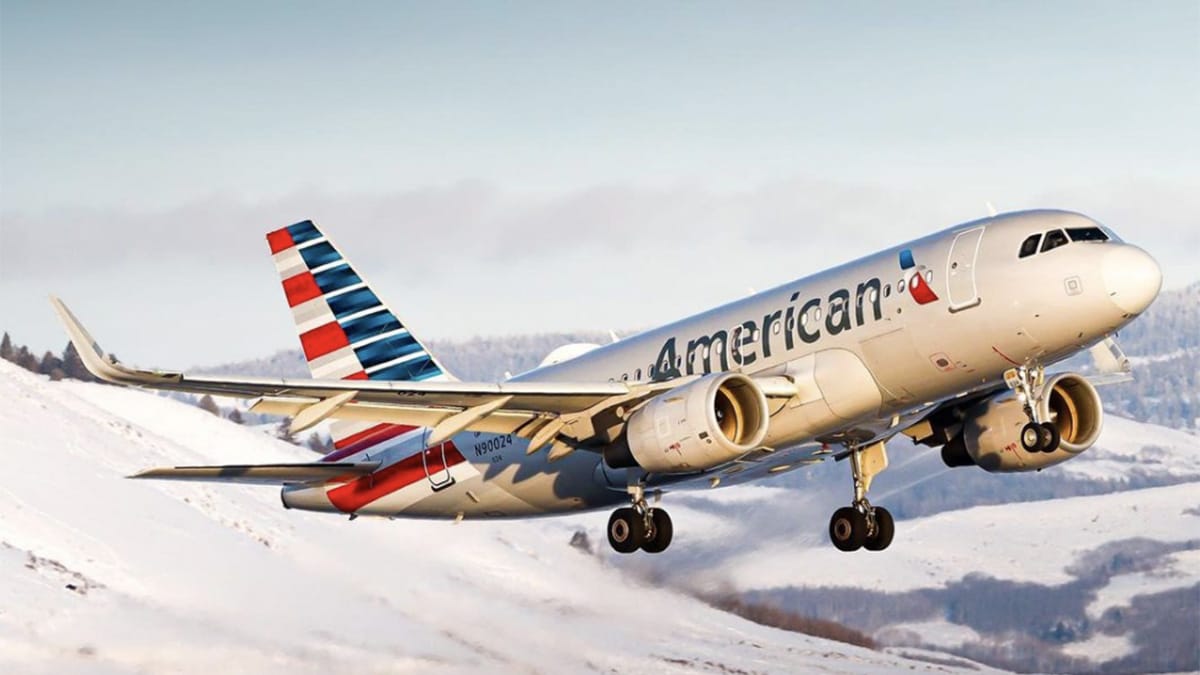
American Airlines has announced an extended suspension of its services to Tel Aviv and Doha until January 2027, citing ongoing geopolitical instability, regional security risks, and escalating tensions involving Iran across the Middle East. The decision reflects growing concerns among global carriers regarding passenger safety, operational reliability, and restricted access to critical air corridors in the region.
According to multiple aviation and travel industry reports, the airline has postponed the restart of its New York JFK–Tel Aviv route until January 6, 2027, while Doha services also remain suspended as part of broader operational adjustments linked to regional instability. American Airlines stated that impacted travelers will be contacted directly and offered alternative travel options in line with the airline’s customer service policies.
The move comes amid continued military tensions involving Iran, Israel, and allied regional powers, which have triggered repeated airspace disruptions, flight rerouting, and large-scale cancellations across the Middle East aviation network. Aviation regulators and global airlines have been closely monitoring the security environment as missile threats, drone attacks, and volatile geopolitical developments continue affecting key international flight corridors linking Europe, Asia, and the Gulf region.
Several international carriers including Delta Air Lines, United Airlines, Air France-KLM, British Airways, Cathay Pacific, and Finnair have also adjusted schedules, reduced frequencies, or temporarily suspended operations to destinations such as Tel Aviv, Dubai, Doha, Riyadh, and other Middle Eastern hubs due to ongoing safety concerns.
Industry analysts believe the prolonged suspension highlights the growing impact of geopolitical tensions on global tourism, business travel, and international aviation operations. The uncertainty has significantly affected airline scheduling, fuel costs, travel demand, and connectivity between North America and the Middle East. Airlines are increasingly relying on alternative flight paths, resulting in longer travel durations and higher operational expenses.
The continued disruptions are also expected to impact tourism recovery efforts, corporate travel, and international trade activity across the region. With security advisories remaining active and airlines operating under rolling risk assessments, the aviation industry continues to face a highly unpredictable operational environment in the Middle East.