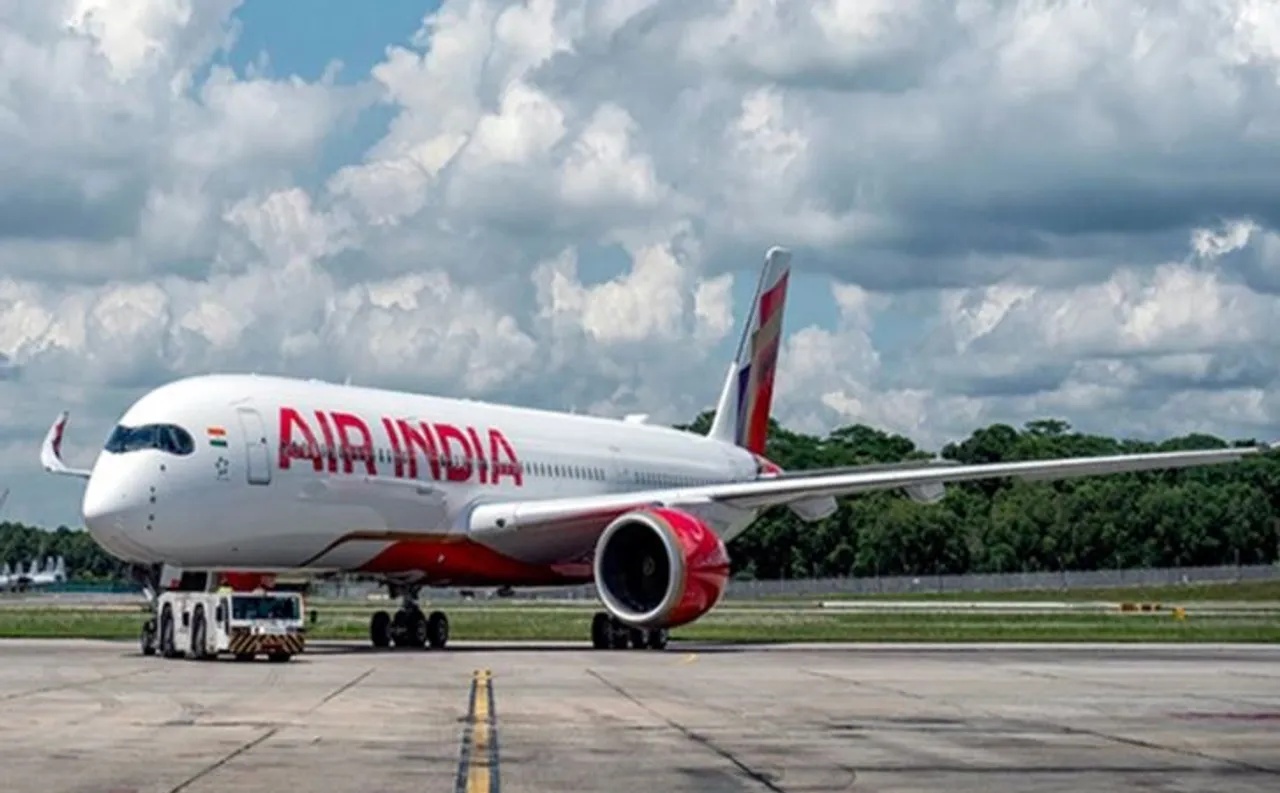
Air India has announced a temporary rationalisation of its international flight network between June and August 2026, reducing frequencies and suspending services on several major global routes. The airline cited continued airspace restrictions across certain regions and record-high jet fuel prices as the primary reasons behind the move, highlighting the mounting pressure on global airline operations amid ongoing geopolitical disruptions.
The affected routes span North America, Europe, Australia, Southeast Asia, and SAARC countries. Services between Delhi and Chicago, Delhi and Shanghai, Chennai and Singapore, as well as Mumbai and Dhaka, have been temporarily suspended through August. Air India has also reduced frequencies on several high-traffic international routes including Delhi-Paris, Delhi-Milan, Delhi-Rome, Delhi-Singapore, Mumbai-Singapore, Delhi-Bangkok, Mumbai-Bangkok, Delhi-Kuala Lumpur, Delhi-Hanoi, Delhi-Ho Chi Minh City, Delhi-Kathmandu, Delhi-Dhaka, and Colombo services.
The airline stated that the decision is aimed at maintaining operational stability and minimising last-minute disruptions for passengers during a period of escalating operating costs and route challenges. The ongoing conflict in the Middle East and continued closure of Pakistani airspace for Indian carriers have significantly increased flight durations and fuel consumption on long-haul routes, especially to Europe and North America.
Despite the temporary reductions, Air India confirmed that it will continue operating more than 1,200 international flights every month. The Tata Group-owned airline added that further network adjustments may be introduced if disruptions continue. The development comes at a crucial time for the carrier, which has been aggressively expanding and modernising its operations following privatisation. Industry experts believe the move reflects the broader challenges currently impacting global aviation, including volatile fuel prices, geopolitical uncertainty, and operational constraints.